New Zealand Elephant Fish
Elephant Fish is a commercially utilised food fish found in New Zealand waters, particularly around the South Island and Banks Peninsula, at depths of up to approximately 200 metres.
Elephant Fish belongs to the Callorhinchidae family. Its flesh is firm, white and relatively low in fat, with eating qualities often compared with New Zealand Hapuka (Groper). In New Zealand, it is commercially utilised as an edible fish and can be processed into fillets for frying, grilling and other preparations.
Different from Ordinary Fish Bones — Elephant Fish Cartilage
Elephant Fish is a cartilaginous fish. Unlike common bony fish, its skeletal structure is primarily composed of cartilage rather than hard, fine fish bones.
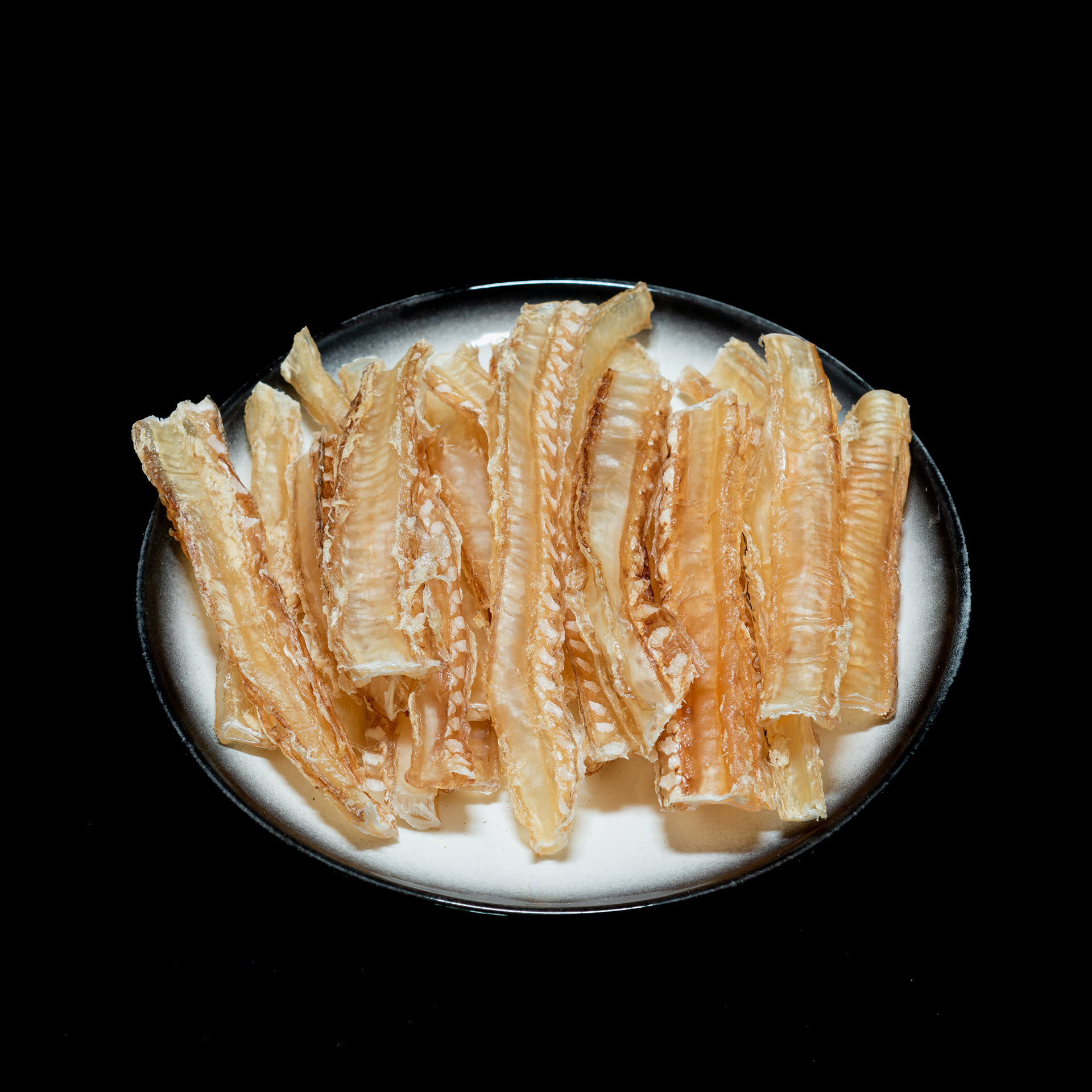
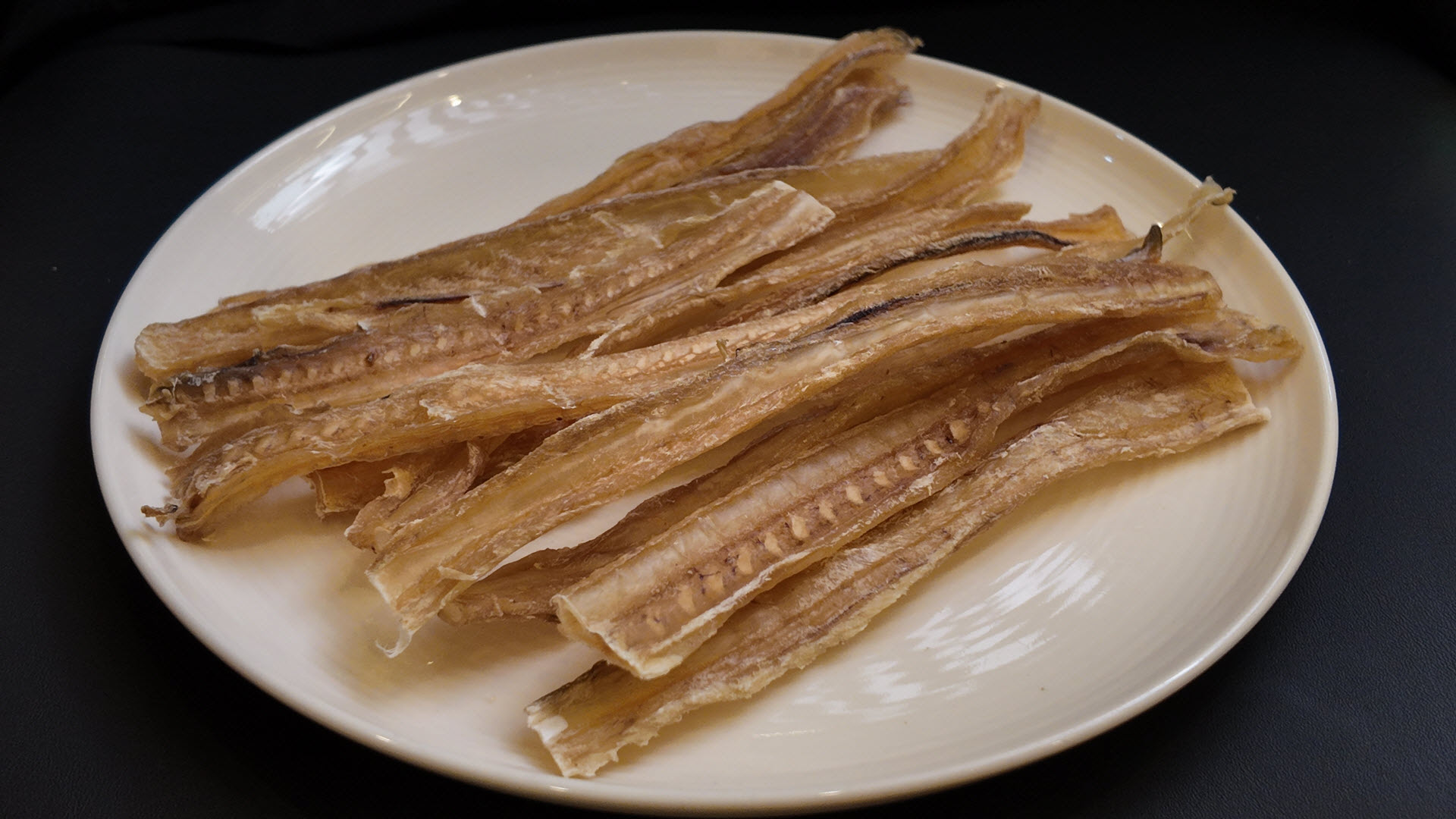
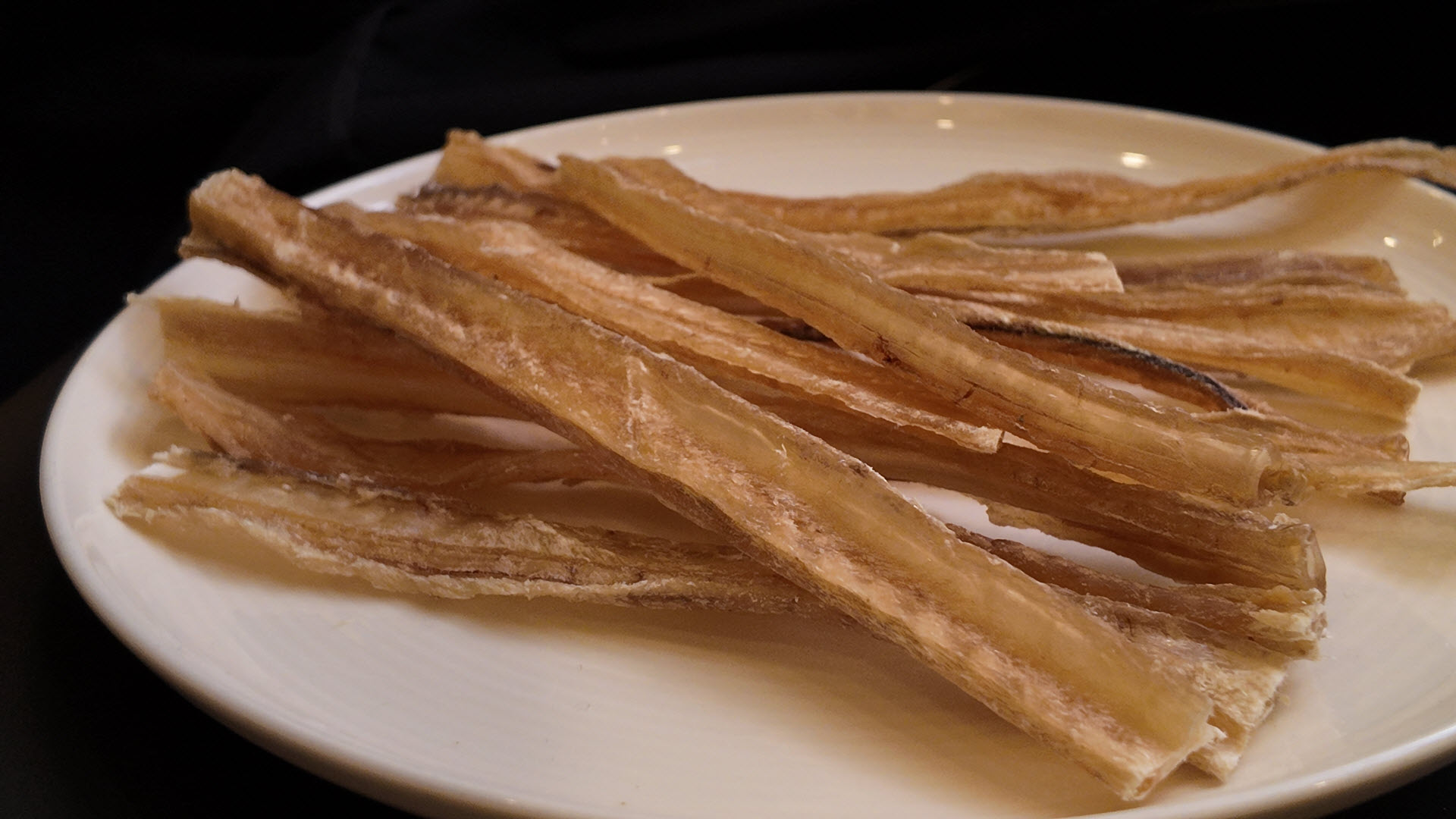
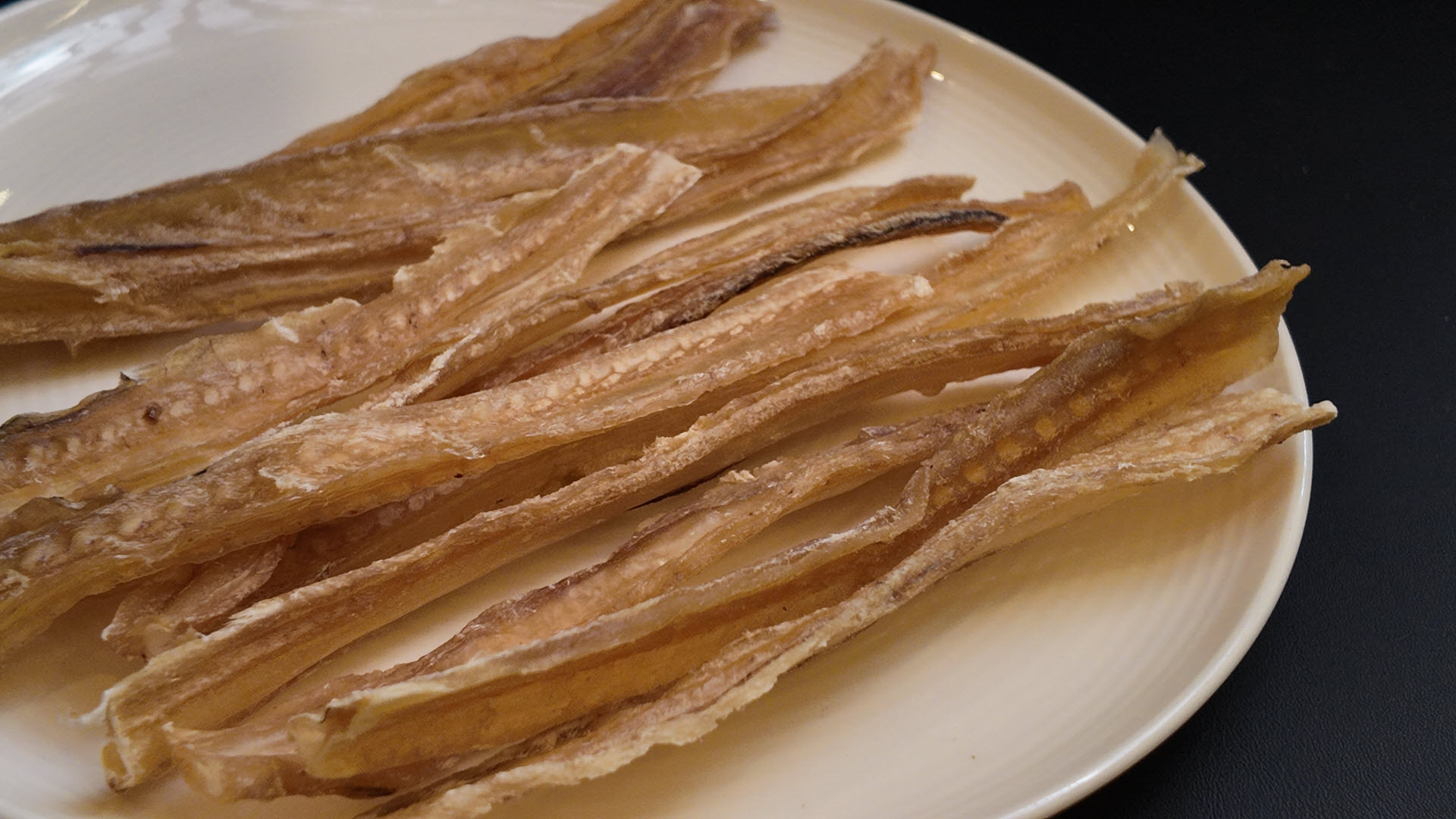
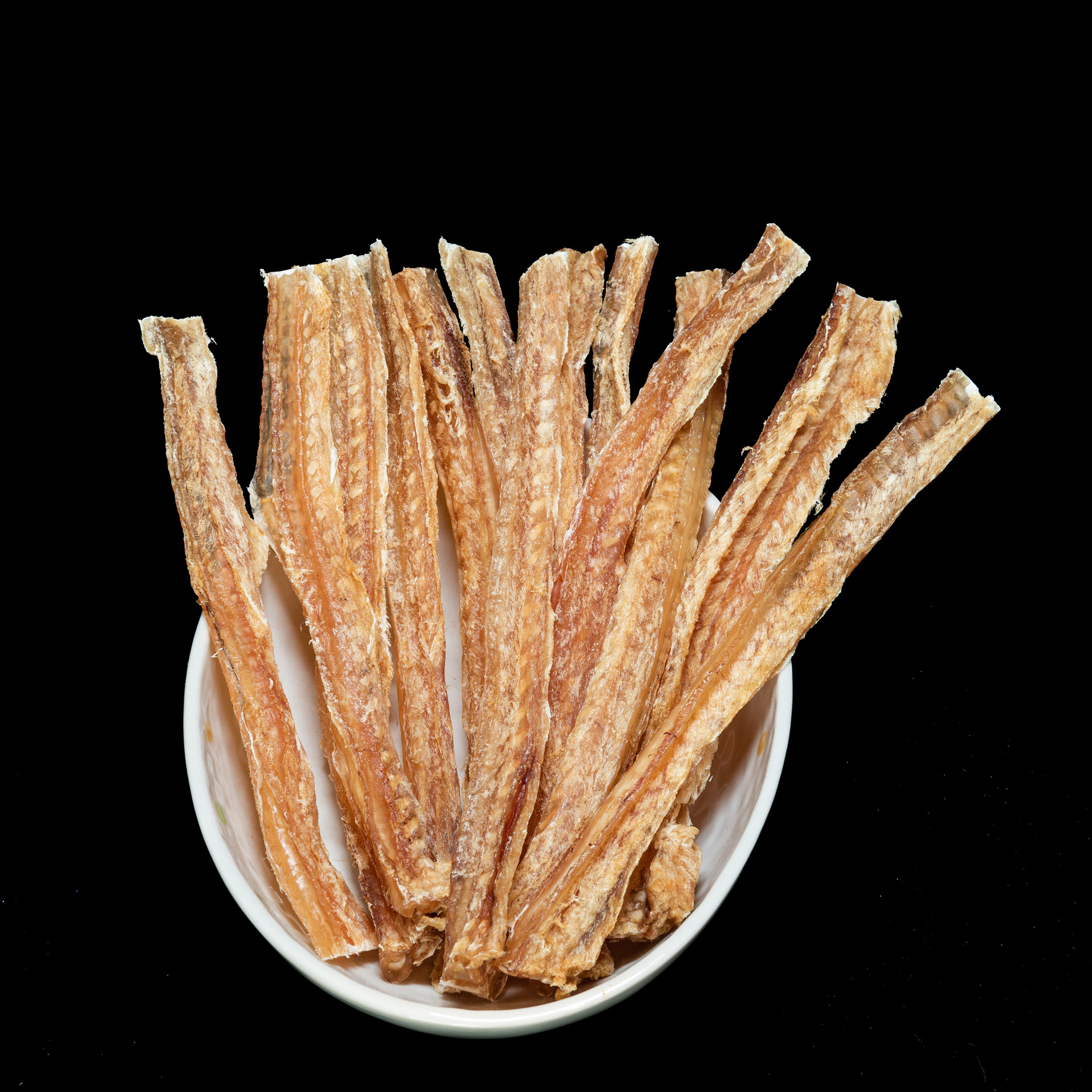
This cartilage has distinctive gelatinous characteristics and, when appropriately processed and prepared, can also be utilised as a food ingredient. This means that not only the flesh, but also the cartilage and other parts of Elephant Fish can have further commercial and food uses.
A New Zealand QMS-Managed Commercial Fish Species
Commercial harvesting of Elephant Fish is managed by New Zealand's Ministry for Primary Industries (MPI) under the Quota Management System (QMS), including commercial catch limits and fish-stock assessments.
An important distinction should therefore be made:
Elephant Fish is itself a commercially valuable food species. Its harvest should not be confused with “shark finning”, where an animal is caught for its fins and the remainder of the body is discarded.
The related fin products sold by Belkee Marine are sourced from this commercially harvested New Zealand Elephant Fish.
We believe it is important for consumers to understand the actual species, origin and utilisation of the product, rather than assuming that all fin products come from fisheries where only the fins are taken and the remainder of the fish is discarded.
New Zealand commercial species · QMS managed · Edible flesh · Utilisable cartilage · Traceable origin

